
Europe is a dynamic market landscape, shaped by technological innovation, regulatory shifts, and a push toward sustainability.
For business leaders, investors, and career-minded professionals, identifying which industries will grow fastest in Europe in 2026 is essential for strategic planning. This post explores the sectors forecast to accelerate, the drivers behind their growth, and practical implications for stakeholders. By the end, you’ll have a clearer sense of which industries are likely to dominate the European growth story in 2026.
Understanding the European Growth Landscape
Before diving into specific industries, it’s important to frame the context. Europe benefits from a highly educated workforce, strong digital infrastructure, and robust policy support for green transition and innovation. The European Union’s emphasis on digital markets, energy efficiency, and resilient supply chains creates fertile ground for rapid development in several sectors. When considering which industries will grow fastest in Europe in 2026, four overarching themes emerge:
- Green transition and energy efficiency
- Digital transformation and technology adoption
- Healthcare innovation and life sciences
- Advanced manufacturing and supply chain resilience
With these themes in mind, we can identify the industries most positioned for strong growth in the near term.
Renewable Energy and Energy Storage
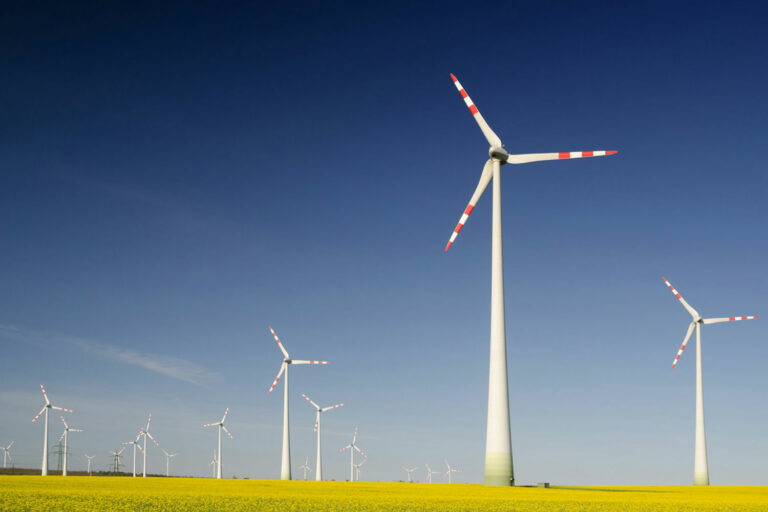
One of the standout growth areas in Europe is renewable energy and energy storage. Europe has committed to ambitious decarbonisation targets, and the energy transition continues to accelerate. Key drivers include:
- Investments in solar, wind, and offshore wind projects across regions like the North Sea and the Mediterranean.
- Growing demand for grid-scale energy storage to address intermittency and ensure reliability.
- Policy incentives, subsidies, and green finance that reduce project costs and unlock private capital.
As a result, industries tied to renewable generation, battery technology, electrochemistry, and grid infrastructure are among those expected to grow fastest in Europe in 2026. Companies involved in project development, operations & maintenance, and innovative storage solutions (including solid-state and flow batteries) stand to benefit.
For professionals, skills in energy policy, engineering, project management, and data analytics related to energy forecasting will be increasingly valuable.
Electric Mobility and Sustainable Transport
The shift toward electric vehicles (EVs) and cleaner transport solutions is reshaping Europe’s automotive and mobility landscape. Growth is propelled by:
- Stringent emissions standards and vehicle electrification mandates.
- Expanding charging networks and faster charging technologies.
- Electrified commercial fleets, including last-mile delivery and urban mobility concepts.
Industries likely to grow fastest in Europe in 2026 within this space include EV manufacturing, battery production and recycling, charging infrastructure, and software for vehicle-to-grid services. Startups and established players alike are innovating in battery chemistry, modal shifts (rail, bus, and light rail), and smart charging ecosystems.
For job seekers, expertise in battery technology, electrical engineering, software integration, and regulatory compliance will be in high demand.
Health Tech, Biopharma, and Life Sciences
Europe’s life sciences sector remains a strong growth engine, driven by an aging population, rising chronic disease prevalence, and a robust clinical trial framework. The sectors expected to achieve fast growth include:
- Biopharma and biotechnology research, including gene therapies and precision medicine.
- Medical devices, digital health, and remote patient monitoring solutions.
- Health data analytics, AI-driven diagnostics, and personalised medicine.
Policies promoting public health innovation, data protection, and collaborative research funding support rapid development. Businesses that can navigate regulatory pathways, accelerate clinical development, and integrate digital health solutions with hospital systems will be well-positioned to capitalize on this growth wave.
Advanced Manufacturing and Industrial Digitisation
Digital technologies are transforming Europe’s manufacturing base. With a focus on resilience, efficiency, and localisation of supply chains, this industry cluster is set to grow quickly due to:
- Adoption of Industry 4.0 technologies such as IoT, AI, robotics, digital twins, and additive manufacturing.
- Local production incentives to reduce dependencies on distant suppliers.
- Sustainable manufacturing practices, lifecycle assessment, and circular economy principles.
Key growth areas include smart factories, robotics as a service, digital quality control, and sustainable materials. The talent demand spans data science, automation engineering, cybersecurity for industrial control systems, and supply chain analytics.
Aviation, Aerospace, and Green Aviation Technologies
Europe’s aerospace and aviation sectors remain pivotal, with renewed focus on reducing emissions and improving efficiency. Growth is expected in:
- Sustainable aviation fuels (SAF), electrification of regional air mobility, and advanced propulsion.
- Aircraft modernization and maintenance, repair, and overhaul (MRO) services.
- Space technologies and satellite-based services that support navigation, communication, and earth observation.
While the sector faces challenges, government-backed funding for green aviation programs and private investment in next-generation propulsion systems are likely to drive notable expansion in 2026.
Digital Services, Cloud, and Cybersecurity
The demand for digital services continues to surge as organisations digitise operations, migrate to cloud platforms, and harden their cyber posture. Regions across Europe are accelerating cloud adoption, data centre capacity, and edge computing. Growth is anticipated in:
- Cloud services, platform engineering, and SaaS solutions tailored to industry verticals.
- Cybersecurity offerings, risk management, and privacy-preserving technologies.
- Digital transformation consulting and data analytics services.
Businesses investing in robust cybersecurity, data governance, and compliant cloud architectures will be well-placed to grow in the European market.
Final Thoughts
So, which industries will grow fastest in Europe in 2026? Renewable energy and energy storage, electric mobility and sustainable transport, health tech and life sciences, advanced manufacturing and industrial digitisation, aviation and green aviation technologies, and digital services including cloud and cybersecurity all show strong growth potential. The common threads across these sectors are a commitment to sustainability, digital transformation, and resilient, data-driven operations.
For individuals and organisations, the takeaway is clear: invest in skills, partnerships, and infrastructure that align with Europe’s strategic priorities. Whether you’re a policymaker, investor, entrepreneur, or professional planning your career, focusing on these high-growth industries will help you navigate the evolving European economy in 2026 and beyond.
If you’re looking for a concise forecast of which industries will grow fastest in europe in 2026, these sectors provide a solid foundation that aligns with current policy directions and market dynamics.