Forecasting which industries will grow fastest in Europe in 2026 is a challenging but exciting exercise.
With evolving technology, shifting consumer preferences, and evolving regulatory landscapes, certain sectors are positioned to accelerate more than others. This post explores the likely winners, the factors driving growth, and practical implications for businesses and job seekers alike. By focusing on the keyword which industries will grow fastest in europe in 2026?, we can frame a forward-looking discussion that remains grounded in current trends and data.
Introduction: setting the scene for 2026
Europe faces a unique blend of opportunities and constraints as it moves into 2026. The post-pandemic recovery has matured, supply chains are recalibrating, and digital transformation continues to reshape traditional markets. Policymakers are prioritising green transition, digital resilience, and a competitive industrial base, which collectively influence which industries will boom in the coming years.
For anyone asking which industries will grow fastest in Europe in 2026?, the answer is not a single sector but a mix of high-growth areas driven by technology, sustainability, and consumer demand.
Tech and digital economy: AI, cybersecurity, and data services
- Which industries will grow fastest in Europe in 2026? The tech and digital economy is a core part of the answer. Artificial intelligence, machine learning, and automation are expected to accelerate across sectors such as manufacturing, healthcare, and services.
- Cybersecurity remains a top priority as more data moves to cloud environments and regulatory requirements tighten. European organisations will invest in security operations, identity and access management, and threat intelligence.
- Data services, analytics, and edge computing will enable smarter decision-making, personalised customer experiences, and efficient operations. Startups and established players alike will find opportunities in data-driven solutions, AI ethics, and responsible AI implementations.
- The growth drivers include digitisation mandates from public and private sectors, the need for resilient supply chains, and the talent pool expanding with cross-border collaborations and up skilling programs.
Green transition and sustainable industries
- Europe’s commitment to climate goals underpins many growth prospects. Which industries will grow fastest in Europe in 2026? Expect strong momentum in renewable energy, energy storage, and green mobility.
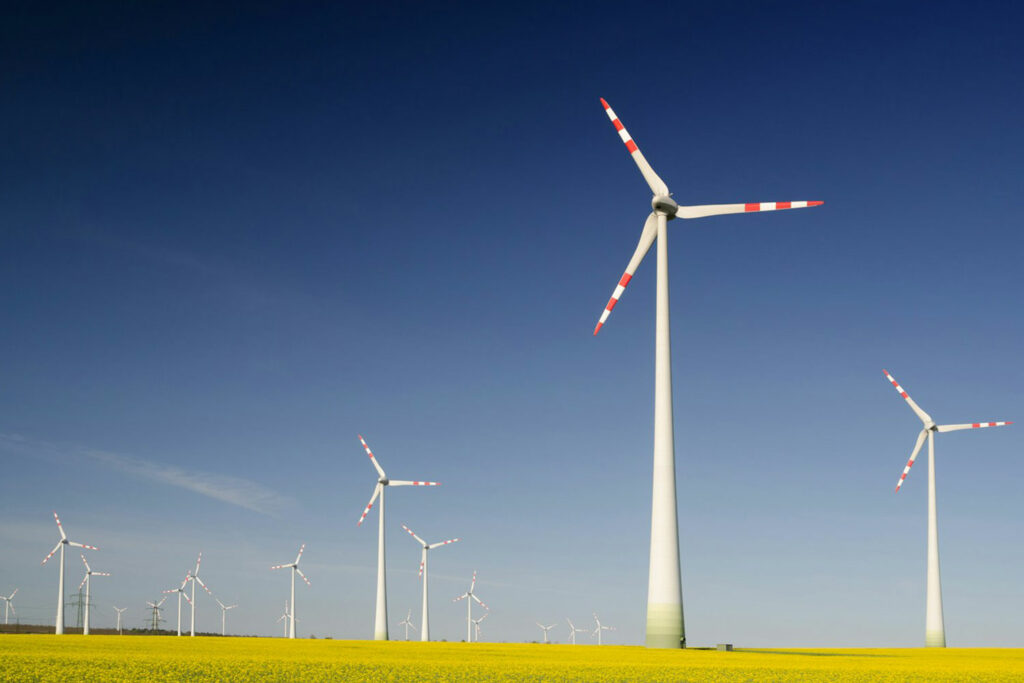
- Solar and wind energy projects, grid modernisation, and decentralised energy resources will create demand for project developers, engineers, and operators.
- Energy storage technologies, including batteries and hydrogen, will unlock flexibility and resilience in energy systems, supporting the integration of intermittent renewables.
- Sustainable transport, electric mobility, and charging infrastructure will continue to expand as consumers and businesses shift away from fossil fuels.
- Circular economy initiatives, recycling, up cycling, and resource-efficient production, will spur new business models and supply chains that emphasise reduction, reuse, and recovery.
Life sciences, healthcare, and biotech
- The life sciences sector in Europe is poised for growth thanks to advances in biomedicine, precision medicine, and digital health. Which industries will grow fastest in Europe in 2026? Expect robust activity in drug development, diagnostics, and personalised therapies.
- Digital health solutions, telemedicine, and remote monitoring will become more mainstream, driven by demand for accessible care and cost containment.
- Regulatory support for innovative therapies, combined with public health initiatives, will stimulate investment in research infrastructure, clinical trials, and scalable manufacturing.
Advanced manufacturing and industrial tech
- Manufacturing in Europe is undergoing a renaissance powered by automation, robotics, and additive manufacturing. These technologies improve productivity, reduce lead times, and strengthen supply chain resilience.
- Near-shoring trends and the re-shoring of critical industries will require intelligent production facilities, smart factories, and digital twins to optimise processes.
- Sustainable manufacturing practices, energy efficiency, and waste reduction will be integral to competitive advantage, reinforcing demand for high-performance materials and process innovation.
Tourism, culture, and the experiential economy
- While not a traditional “tech” sector, Europe’s tourism and cultural industries are evolving with digital experiences, sustainable travel, and niche experiences. Which industries will grow fastest in Europe in 2026? The answer includes premium experiences, regional specialties, and remote-work-friendly destinations that attract longer stays.
- Hospitality tech, integration of local experiences with online platforms, and regenerative tourism models will drive growth and resilience in this space.
- Cultural industries, including film, music, and gaming, continue to expand as global audiences demand diverse, high-quality content and immersive experiences.
Skills, education, and workforce transformation
- Growth in any industry is closely tied to the availability of skilled labour. Expect continued investment in re-skilling and up skilling programs, especially in digital, green, and healthcare domains.
- Lifelong learning platforms, micro-credentials, and partnerships between industry and higher education will help address skills gaps.
- European collaboration on mobility and recognition of qualifications will support a more fluid labour market, enabling talent to move where opportunities are strongest.
Practical implications for businesses and job seekers
- For businesses: Diversify into high-growth areas such as AI-enabled services, green technologies, and health-tech. Embrace sustainability as a growth pillar and invest in digital resilience to protect against disruptions.
- For job seekers: Build capabilities in data analytics, cybersecurity, cloud computing, and green technologies. Look for roles that combine domain expertise with digital fluency.
- For policymakers: Continue supporting R&D, secure energy transitions, and invest in infrastructure that enables rapid scaling of innovative industries.
Final thoughts: looking ahead to 2026
In answering which industries will grow fastest in Europe in 2026?, the most compelling picture is one of cross-cutting growth across technology, sustainability, and health. Sectors that blend digital capabilities with tangible societal benefits, whether through energy efficiency, smarter healthcare, or secure digital ecosystems, are well positioned to boom.
While no prediction is guaranteed, a strategic emphasis on innovation, collaboration, and adaptability will increase the likelihood of success for businesses and individuals prepared to seize opportunities in the European landscape of 2026.