Consumer behaviour is continually evolving, shaped by technology, economics, culture, and global events.
Understanding these shifts helps businesses stay relevant and responsive. In this post, we explore what changing consumer habits look like today, with a focus on the shift in buyer habits and the factors driving it.
Introduction: Why Are Consumer Habits Changing?
The marketplace is more dynamic than ever. Consumers have access to more information, more choice, and more channels to purchase. This convergence creates a fluid set of behaviours that can shift quickly in response to trends, news, or innovations. Recognising the shift in buyer habits is essential for brands aiming to meet evolving expectations and deliver value where it matters most.
The Shift in Buyer Habits: What It Looks Like
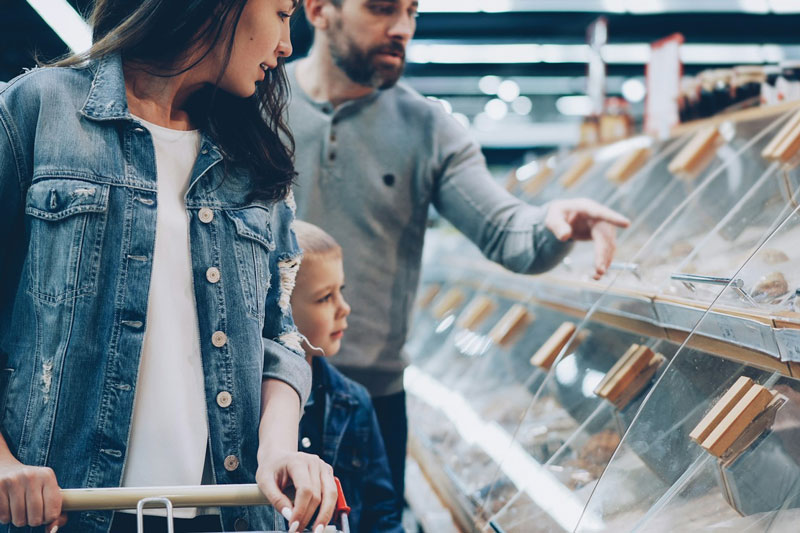
- Omnichannel shopping: Buyers move seamlessly between online and offline experiences. They may research products online, read reviews, and then purchase in-store, or vice versa.
- Personalisation expectations: Consumers increasingly expect tailored recommendations, offers, and content that reflect their preferences and past behaviour.
- Social influence and communities: Reviews, influencer recommendations, and peer voices carry significant weight in decision-making.
- Sustainability and ethics: A growing proportion of buyers consider environmental impact, fair labour, and corporate responsibility when choosing brands.
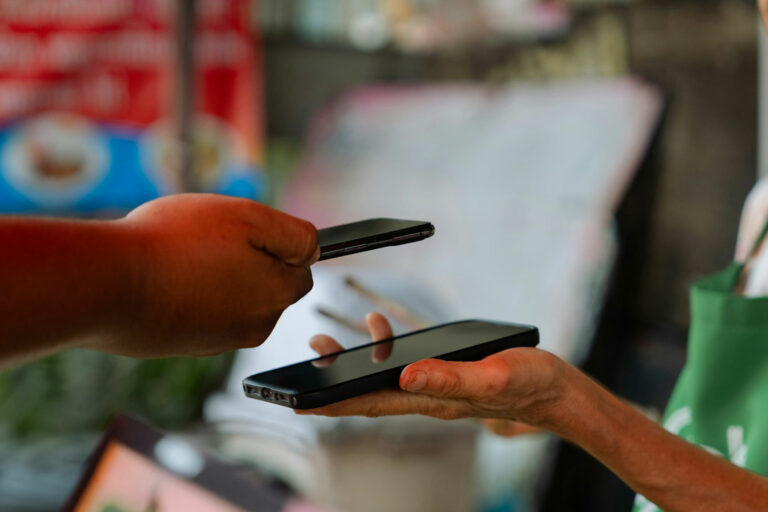
- Convenience and speed: Fast shipping, easy returns, and frictionless checkout are not optional; they are table stakes.
- Value orientation: With economic pressures, shoppers scrutinise value, durability, and total cost of ownership rather than upfront price alone.
The Driving Forces Behind the Shift
- Technology adoption: Mobile devices, AI-driven insights, and data analytics enable more precise understanding of consumer needs.
- Economic climate: Inflation, wage changes, and budgeting influence how people prioritise spending.
- Social and cultural trends: Demands for transparency, inclusivity, and ethical practices shape brand expectations.
- Global events: Disruptions (pandemics, supply chain shocks) influence shopping channels and norms.
- Experience economy: People increasingly value experiences and convenience alongside products.
How Brands Can Respond to the Shift in Buyer Habits
- Invest in omnichannel strategies: Ensure a cohesive experience across websites, apps, social channels, and physical stores.
- Prioritise personalisation: Use data responsibly to tailor recommendations, content, and offers without compromising privacy.
- Build trust through transparency: Clear information about sourcing, sustainability, and ethics strengthens loyalty.
- Simplify the buying journey: Streamlined checkout, long or flexible payment options, and easy returns reduce friction.
- Focus on value and durability: Communicate total cost of ownership and long-term benefits to justify purchase decisions.
- Leverage social proof: Encourage reviews, showcase user-generated content, and collaborate with credible influencers.
Case Studies: Real-World Examples of Shifts in Buyer Habits
- A retailer integrating AI product recommendations based on browsing history, resulting in higher conversion rates and average order value.
- A brand launching a transparent supply chain program, increasing customer trust and repeat purchases.
- An e-commerce platform offering flexible payment plans to accommodate budget-conscious shoppers.
Measuring the Impact: How to Track the Shift in Buyer Habits
- Customer surveys and feedback loops to capture evolving preferences.
- Analytics on omnichannel behaviour, including cross-channel conversion paths.
- Monitoring social sentiment and review quality.
- Cohort analysis to observe how different groups respond to initiatives over time.
- Return rates and post-purchase engagement as indicators of satisfaction and value perception.
Final Thoughts
The shift in buyer habits is not a temporary trend but a lasting evolution in how people shop and what they expect from brands. By recognising the shift in buyer habits and adapting strategies accordingly, businesses can build more resilient relationships with customers, deliver greater value, and thrive in a competitive landscape.
Embrace transparency, convenience, and personalised experiences to stay ahead in a world where consumer choices compound and evolve rapidly.